
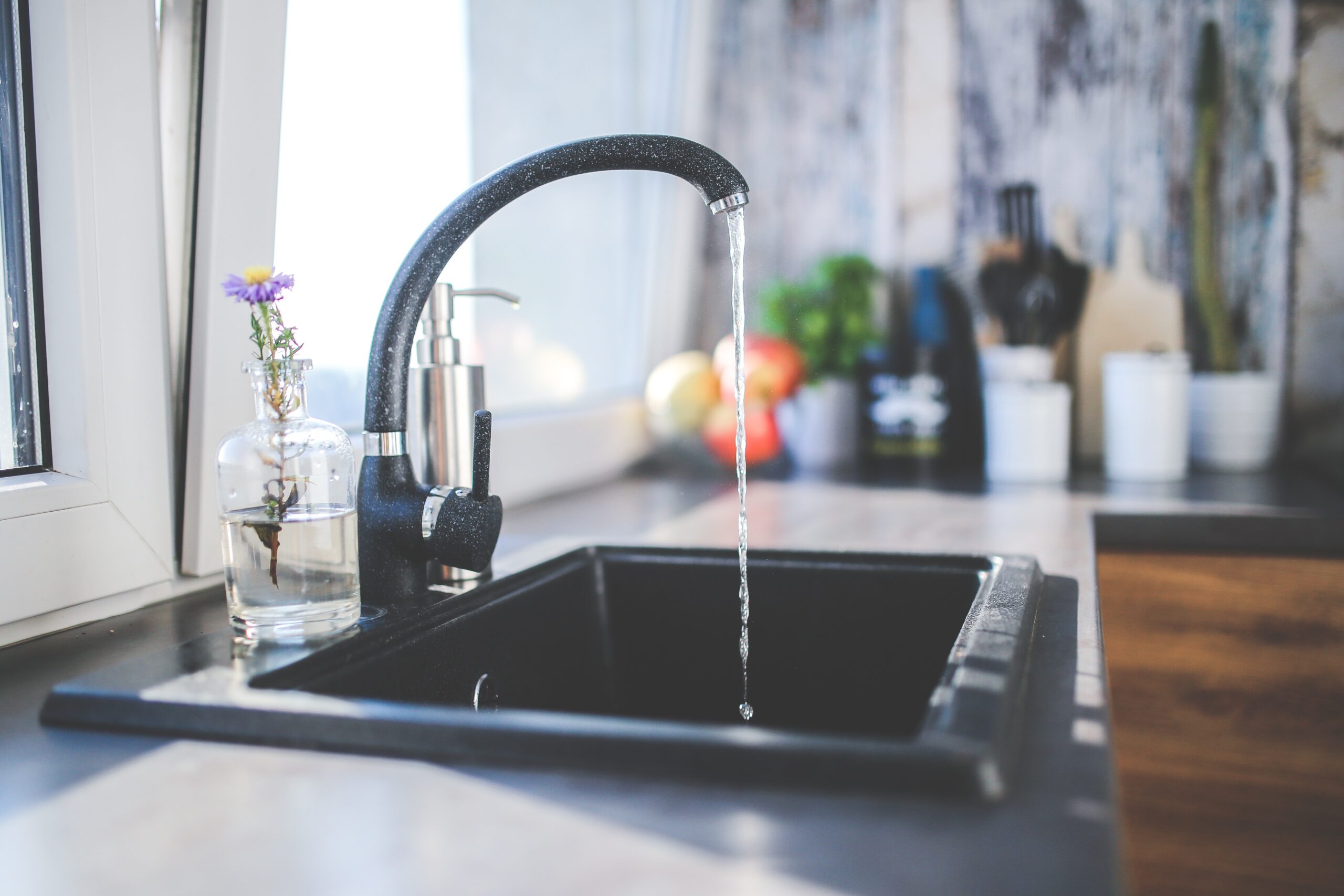
Do you know what’s in your water? Everyone undoubtedly has heard that water is a necessary component of the human form, that our bodies are made up of “mostly” water and that it must be replenished. The fear of dehydration has us constantly running for our water bottles. People set goals for themselves and when they miss the consumption goal for the day, feel disappointed in their performance. Of course, drinking adequate amounts of water is important, that part is true, but what does adequate really mean? Does it matter what kind of water?
Principally, the water we consume is more important than just the hydrogen and oxygen molecules that represent much of the liquid. The water we consume is also important for delivering minerals such as magnesium and potassium to the vast locations of the body to perform hundreds of necessary enzymatic reactions. Most of us have seen people walking around with gallons of water who never seem to quench their need for water. We are born with a natural thirst that is supposed to signal us to hydrate. Many people have lost that signaling ability with the constant consumption of addicting flavored beverages and forced water consumption goals; the most popular one being the consumption of 50% or more of your body weight in ounces. What happens when a person drinks a large quantity of liquids much higher than they functionally need? All that excess consumption washes out the valuable minerals in the body creating severe electrolyte imbalances. This directly effects the thirst signaling mechanisms of the body. I don’t know about you, but I also do not enjoy having to pee every hour! It is preferable to listen to one’s body and when the desire to hydrate arrives drink down 8-16 oz. Once we begin listening to our body’s built in thirst signaling again, the next question is what kind of water should be consumed?
Many health sources online will state that people should drink pure water, but what does that mean? The word pure gives the impression that perhaps the water we use should be filtered so completely that H2O is the only molecule that remains. Yes, you should avoid contaminates in your drinking and bathing water, but you must not regularly remove the beneficial minerals and consume. I always recommend my clients get a reverse osmosis water filtration system that they supplement with trace mineral drops. Reverse osmosis filtration is very good at removing almost all negative components in water, but this filtration also removes minerals that we desire. These beneficial minerals (often referred to as trace minerals) should always be added back into reverse osmosis filtered drinking water. Every person needs different amounts of minerals and there are many ways to add them back in. Mineral deficiencies can easily be acquired through simple functional laboratory assessments with me.
Does everyone have to have a reverse osmosis filter? My belief is that if someone can afford one, it would be one of the most valuable items a health-conscious person could purchase. Now, I’m not saying don’t have a glass of water if you are at a restaurant or a friend’s house when you get thirsty. You certainly will taste the difference once you know what drinking clean water is like. Once and a while won’t cause you any harm because your body is incredible and can handle a little toxicity. My concern is if someone was drinking contaminated water everyday of their life and those harmful molecules start to accumulate in tissues. This could cause symptoms down the road or make it harder for someone to heal. A less robust filtration system such as a pitcher or refrigerator dispenser can give the illusion of clean water but still contributes to poor health.
A great exercise is to investigate your local water quality for you and your family. I am going to add a link below where you can view some of that information in your area. Let me share some of the findings for my hometown. Using the municipal water database mentioned to view the quality report of my water, I see there are a total of 23 total contaminates with 12 that exceed the Environmental Working Groups (EWG) health guidelines. Mind you, that is a passing score according to the US EPA Enforcement and Compliance History (ECHO) database. My water utility is compliant with federal health-based drinking water standards and yet there are still some very dangerous molecules present in my tap water. Let’s take a closer look.
The items I will mention are ALL potentially CANCER causing pollutants that I would be drinking and putting on my skin if I wasn’t filtering them out myself. Each contaminate is listed by name and the magnitude above the safe level guidelines: trihalomethanes (TTHMs) 238 times above acceptable limit, bromodichloromethane 117 times, trichloroacetic acid 116 times, Dichloroacetic acid 64 times, chromium 5.8 times, and chloroform 63 times above the acceptable limit. It goes without saying that these cancer-causing compounds are dangerous especially at high concentrations and should be avoided at all costs. The list doesn’t represent all the foreign molecules that are in my tap water, just the contaminates that the EWG deemed worthy of special note. Any one of those items on their own should warrant caution and remediation. I do not want any of these pollutants in or on my body nor my family’s. All kinds of terrible things go down plumbing to sewage treatment facilities and it is very hard to remove every single contaminant. These facilities do their best to purify water, but it requires processes and chemicals that remain in the final product that supply the homes of the public. This helps make the case why I recommend a reverse osmosis filtration system for everyone. Creating clean drinking water that is safe and tastes great is a must and one of the easiest things to change at home. So what’s in your water?
Don’t worry this wasn’t meant to cause fear but to create awareness. This was intended to show you that there are factors in our environment that we don’t normally think about that come between us and our wellbeing. The goal should always be to remove anything in your environment that does not serve you well including contaminates found in your water. You now know there can be all kinds of detrimental pollutants in your water, but you can take care of those at home with the proper water filtration. A filtration strategy should be put in place as soon as possible so that you don’t have to think about it again outside of remembering to change filters. There are many recommended methods out there for filtering water but only a few that will help you to leverage the best results for healing and optimization. At the end of the day, water is a vital molecule that when properly filtered by reverse osmosis and remineralized with trace minerals, become an incredible tool for health and wellness. Those who work with me will learn how to structure their water as well, but that is a whole other topic for another time!
———-
Link below for those who want local municipal water data. (Not as precise as testing the water at your home or work with a 3rd party testing lab)
If you are fancy and want to test your water at home for you and your family:
(No financial incentive, for your personal research only)


Leave A Comment